


Bondtech / Home / Tech / INDX
INduction Dynamic eXtruder
One head does the work. The tools stay simple.
Looking for configurations and prices? Go to the INDX page
The challenge
Five Things Got Hot Before the Plastic Did
A conventional hotend
INDX
Energy goes straight into the nozzle, where the plastic melts.
Heat is only the first challenge. Printing several materials in one part also means feeding and changing them within every layer, and every part that travels with the tool adds weight and one more thing to maintain.
Heat-Up Time Adds Up
A tool heats up every time the material changes, and those seconds add up across the whole print.
Contactless heat and sensingEvery Change Means Unloading
Normally the filament is unloaded to switch materials or tools, which means cutting, retracting and purging.
Open Front-LoadOne Setting Does Not Fit All
Each filament wants a different grip, and every tool has to land in exactly the same place.
Dynamic eXtruder (DX) Locating the toolHow it works
One Tool Change, Four Steps
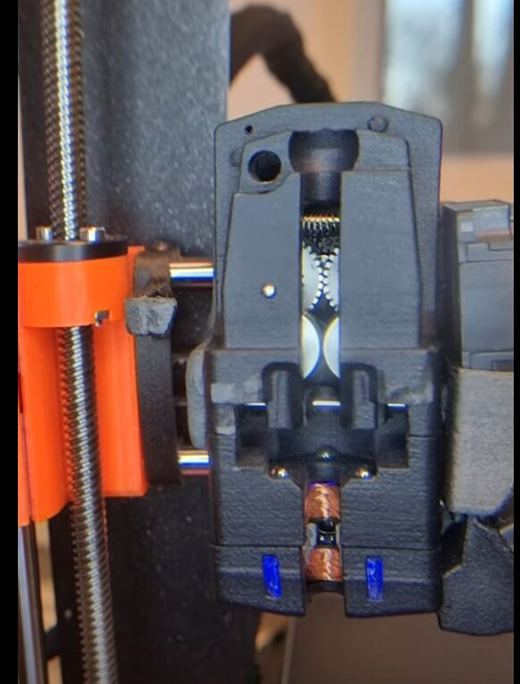
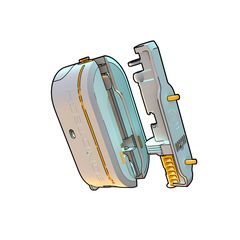
The toolhead carries everything active: motor, electronics, induction coil and sensors. A single motor both feeds the filament and engages the tools. The tools wait in their Tool Docks, each loaded with its own filament. Because the coil is open at the front, the head can pick a tool straight off its Tool Dock.
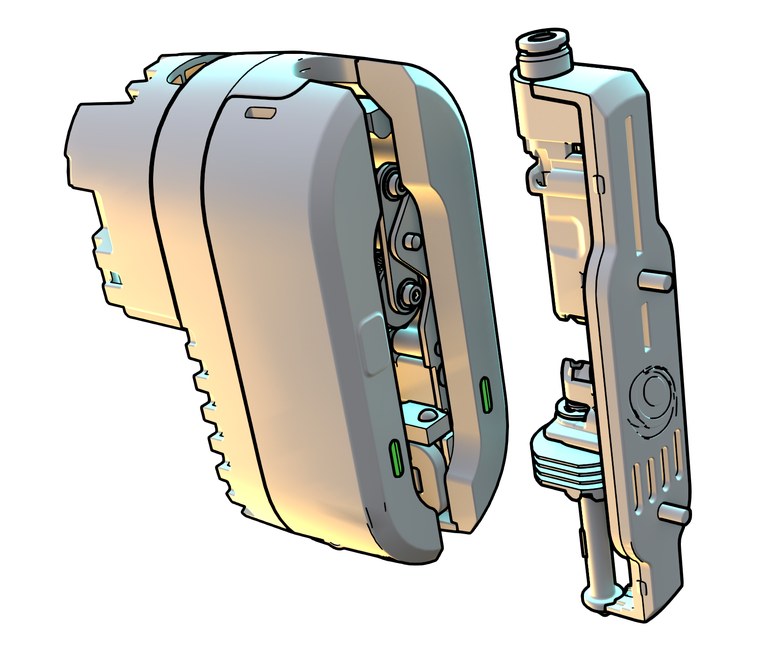
- AMotor and electronics Everything active stays in the head.
- BDrivegears on pivoting arms They grip the filament and move apart when the head opens.
- COpening front half The head opens along its length.
- DFilament path Filament enters from the top.
- EPassive tool Nozzle and heatsink, no wires.
- 1Park
Each tool waits in its Tool Dock, loaded with its own filament. - 2Open
The extruder opens along its length and the drivegears move apart, releasing the filament. - 3Swap
The tool and its filament leave sideways through the opening. The next one comes in sideways and is picked up through the open coil. - 4Heat and Print
The drivegears close again on the new filament, the coil heats the tool and printing continues.
“There are so many subsystems that it becomes really complex. Getting everything together was the most challenging part.”
01 / Contactless heat and sensing
Heat in Seconds, Without Touching the Tool
The challenge
Heat-up time is paid at every material change. Across a long multi-material print, those seconds can add up to a substantial part of the total print time.
How it works
An open induction coil in the head heats the nozzle directly. Because the induction is designed to heat evenly, the nozzle wall can be very thin, so it heats up extra fast. An infrared sensor reads its temperature from a surface on the tool made for that purpose. The tool carries no heater, no sensor, no cable and no electrical connector.
What was hard
Reading the temperature without contact, reliably. It took a clear line of sight through the coil bracket, a study of how the nozzle surface emits heat, and a second temperature sensor close to the nozzle.
The result
Heats up in seconds, with little power, between material changes.
02 / Passive Tools
A Tool That Is Only a Nozzle
The challenge
A complete hotend on every tool adds weight, wiring and cost for each material you add.
How it works
Each tool is a steel nozzle with a brass Bondtech CHT inside and a turned heatsink that also seats the tool in the head. It waits in its Tool Dock, preloaded with its own filament, until the head picks it up. No electronics, no connectors, nothing to wire.
What was hard
Keeping the filament in place while the tool is parked, while still letting the drivegears grip and release it in a tight space. It led to a narrow cutout that exposes the filament only at the gripping point and supports it everywhere else.
The result
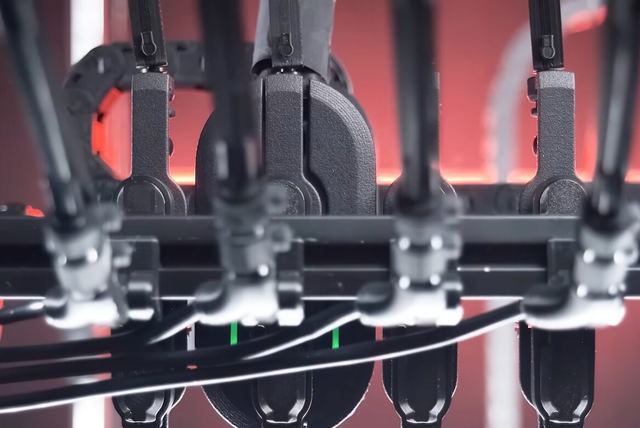
Tools sit as close as 34 mm centre to centre, so how many you run depends on your build.
03 / Open Front-Load
Change Tools With the Filament Still Loaded
The challenge
Normally the filament has to be unloaded before a tool change, which means cutting, retracting and purging.
How it works
The extruder has an opening along its length. To change tools, the drivegears move apart, the filament and its tool leave sideways through the opening, the next ones come in sideways, and the drivegears close again. The coil is open at the front, so the tool passes straight through. The same arms that set the grip (DX) open the extruder. The extruder motor, the same one that feeds the filament, also drives the opening. A magnet in the Tool Dock switches it in, so the head needs no extra motor.
What was hard
Opening hundreds of thousands of times without wearing out. The endurance rig found weak points in springs, gear teeth and a bearing, and each was redesigned.
The result
A test rig opened and closed the head and picked up a tool 71,200 times in August 2025.
04 / Dynamic eXtruder (DX)
A Grip That Adjusts to the Filament
The challenge
A pre-tension that suits one filament can be too tight or too loose for the next.
How it works
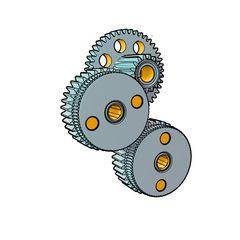
Each drivegear sits on an arm that pivots around its own double gear. The harder the filament resists, the further the drivegears pivot upward along it and the harder they grip. A linking mechanism keeps both drivegears the same distance from the filament. It sets the pre-tension by itself, for each material and flow rate. Nothing to adjust. It builds on Bondtech Dual Drive, Quick Release and the Pre-tension Lever.
What was hard
Keeping both drivegears centred while the same mechanism also opens the head for a tool change.
The result
Tested by printing different materials at different speeds, from rigid filaments to soft TPU, without setting the pre-tension by hand.
05 / Locating the tool
The Same Position at Every Pickup
The challenge
A tool that lands slightly off prints slightly off.
How it works
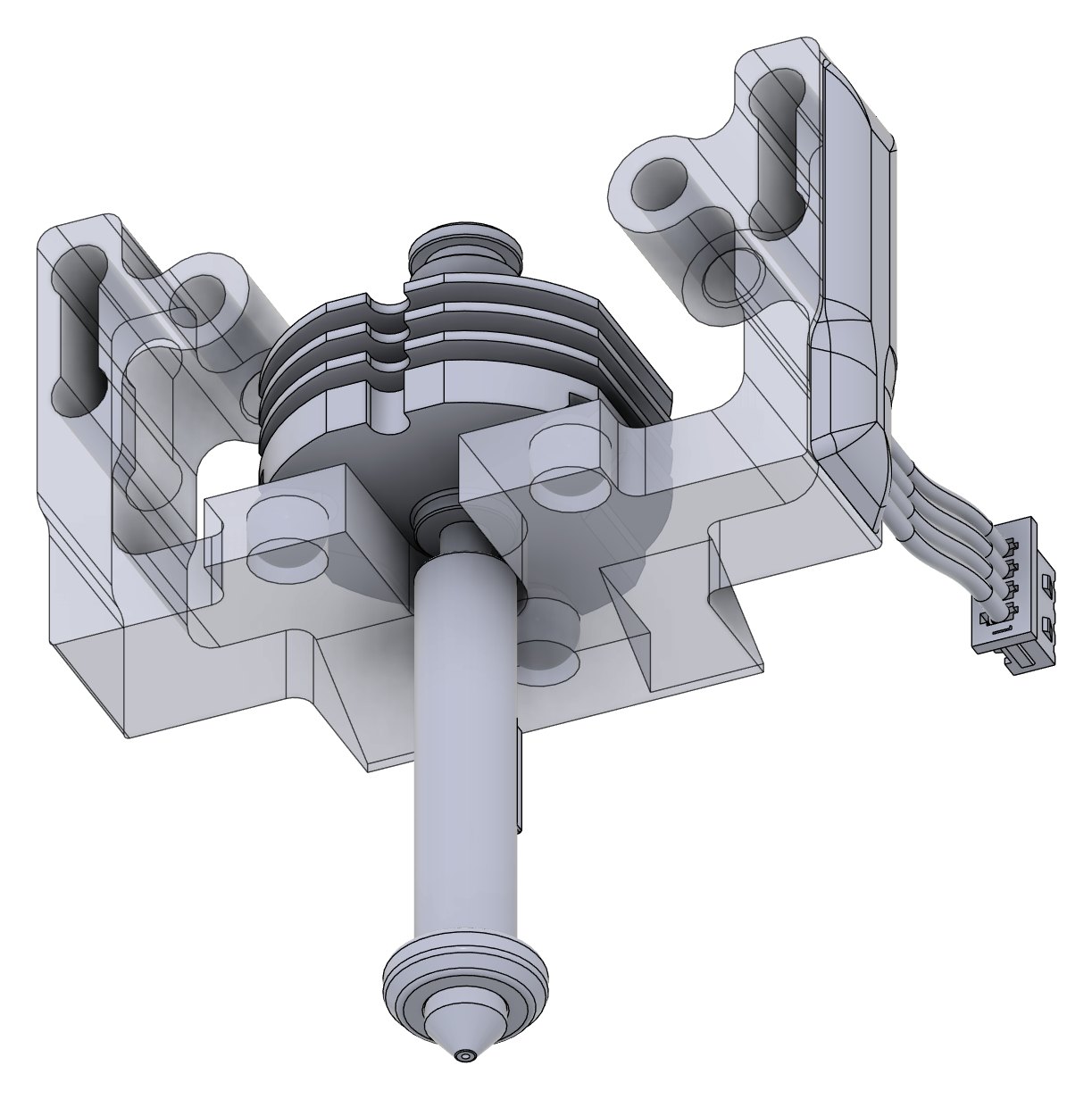
A Maxwell coupling: steel balls in the head meet the heatsink of the tool. It is a long-established way to locate one part against another. We did not invent the coupling. In INDX it sits in the tool’s heatsink, right next to the nozzle tip, the point whose position matters most.
What was hard
Accuracy. We first tried a locating design of our own, then chose the established coupling. To keep that accuracy, the nozzle seating had to be separated from the tool body. The head grips the tool body, and the heatsink and nozzle are spring-loaded towards it.
The result
Each tool lands within about 10 µm of the same spot at every pickup. In January 2025, the INDX tool changer successfully made over 200 automatic pickups.
Origins · 2020 to today
Where INDX Began
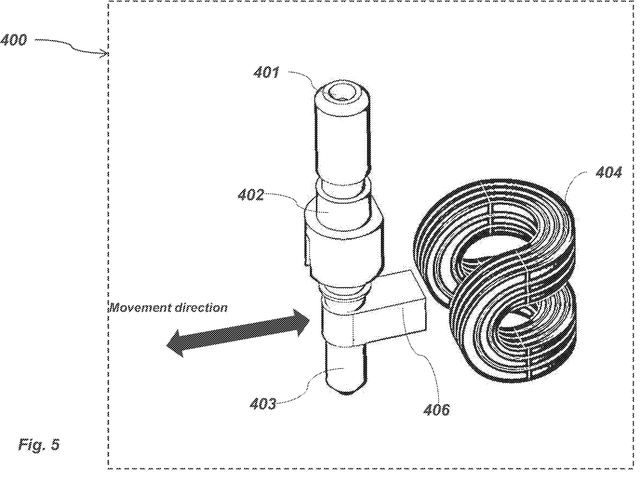
The INDX concept, including front tool pickup, is documented in a patent application from 2020. Mats Moosberg created the concept that spring, filed it that summer, and brought a working prototype to Bondtech in 2023. Years of prototypes and redesigns later, it is INDX.
- Mar 2020
The First Test
A hand-wound coil heats a passive nozzle, with no wires or contacts to the tool.

- Jul 2020
The Idea Is Filed
On 9 July 2020, a patent application describes passive nozzles waiting on a rack, picked up by one head, heated by induction and measured without contact. The drawings already show the open coil and front pickup.

- 2023
A Prototype Comes to Bondtech
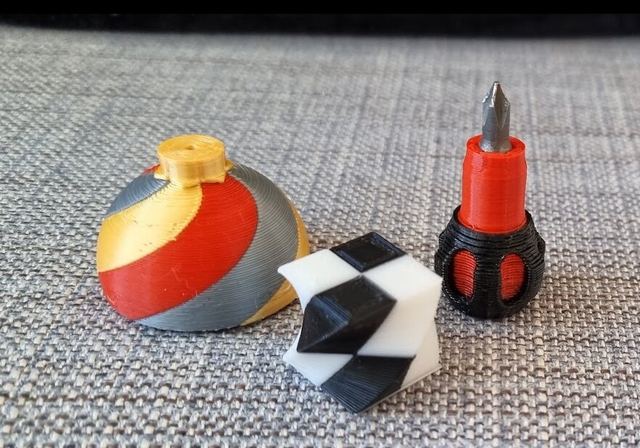
A first prototype prints in several colours and is shown at Bondtech, where induction was already on the table as a way to speed up printing. The work continues together.

- 2024
From Manual to Automatic
The first Bondtech designs changed tools by hand. The team moved to an automatic tool changer and designed an extruder that opens, with a grip that tightens itself. Filed 18 November 2024: Open Front-Load and the Dynamic eXtruder (DX) grip.

- 2025
Revealed, Rebuilt, Launched
INDX is publicly revealed in March, then redesigned from the inside, endurance-tested and launched as the Founders Edition at Formnext in November. The shape and function of the INDX tools were developed inside Bondtech and seen outside it for the first time at that reveal.

- 2026
Recognised
TCT Hardware Award, Polymer Systems category, Boston, April 2026.

- Next
Still Developing
Today the focus is production, stability and the details users report. Work on what comes after continues in the lab.

How we protect INDX
It took six years and a lot of broken parts to get from a hand-wound coil to INDX. Patents let us earn that back and build what comes next. They cover the specific mechanisms behind INDX, Open Front-Load, the Dynamic eXtruder grip, a single motor that both feeds the filament and engages the tools, and passive tools with contactless heat and sensing, not tool changing as a field.
Build, mod and experiment at home as much as you like: the patents are for products sold at scale, not for your workshop.
Built on ten years of Bondtech tech
A Line of Continuous Innovation
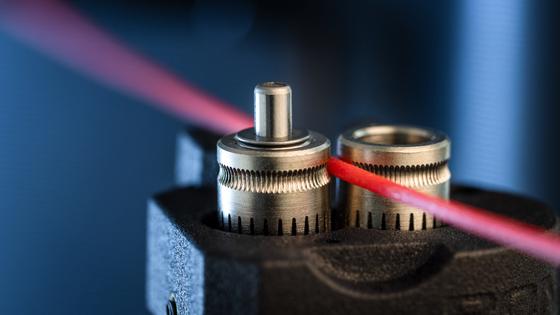
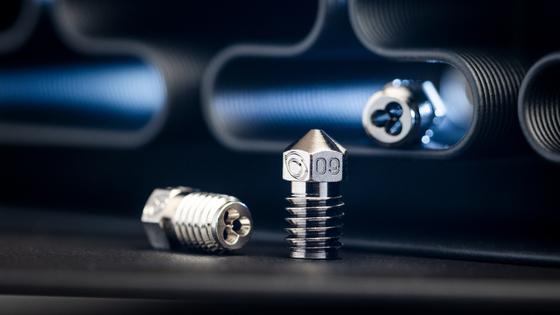
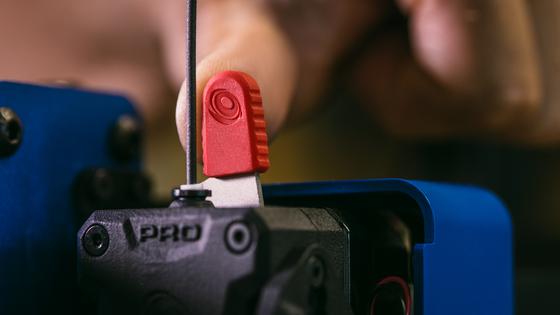
INDX carries forward Dual Drive grip from 2015, the pre-tension work from 2019 and Core Heating Technology from 2021.
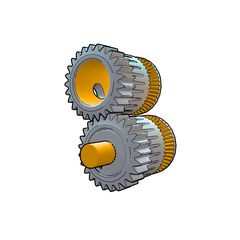
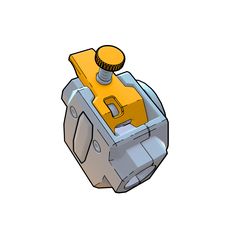
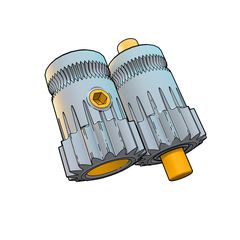
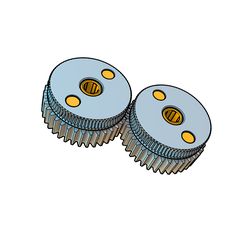
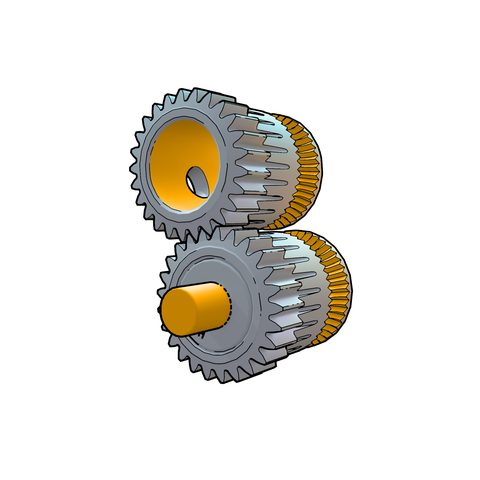 2015Dual DriveGrip from both sides of the filament
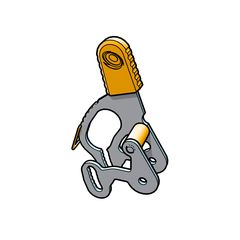
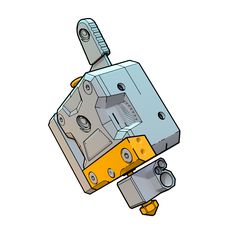
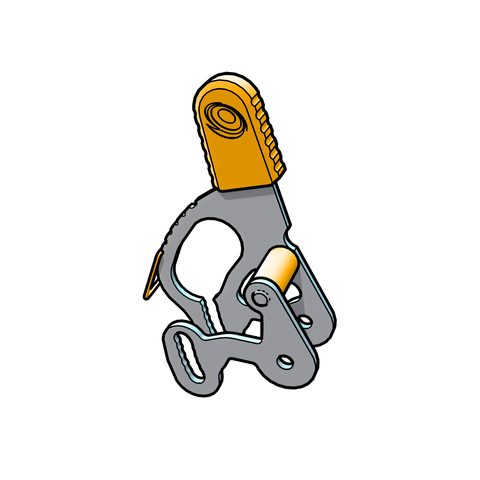 2019Pre-tension LeverGrip that is set for the filament
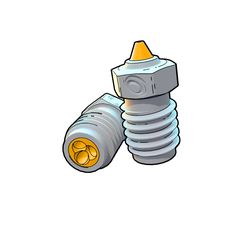
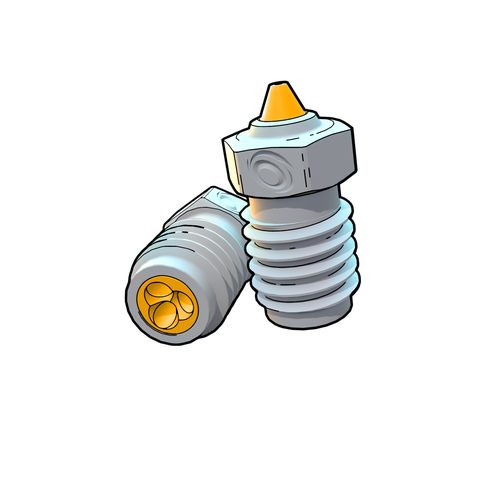 2021CHTMelts from within, inside every passive tool
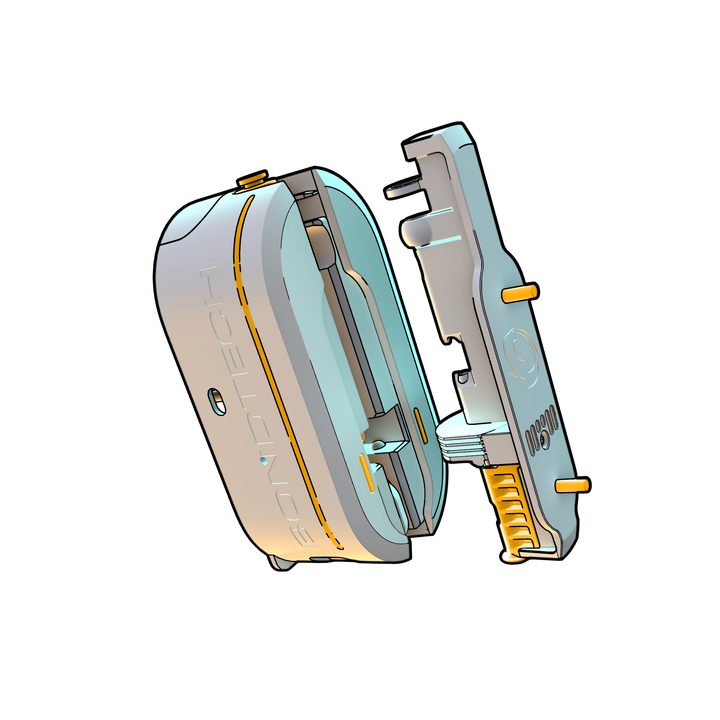
The full line, 2015 to 2025
 2015
 2016
 2017
 2019
 2020
 2021
 2021
 2021
 2022
 2025
Ready to build with it?
See the Configurations
Configurations, full specifications and where to buy are on the INDX page.
 Dual Drive Technology
 Core Heating Technology (CHT)
 Pre-tension Lever